Listen
Begin with your observations, priorities, and the context around the concern.
About Advantage
A better service experience begins with listening to what you have noticed, observing the property carefully, and explaining the next practical step.
What guides the work
Pest and wildlife concerns are rarely identical from one property to the next. The conversation should account for the setting, the activity pattern, and the spaces that matter to the people who use the property.
A practical standard
Use the details that best match the property in front of you. You do not need a perfect identification before calling.
Begin with your observations, priorities, and the context around the concern.
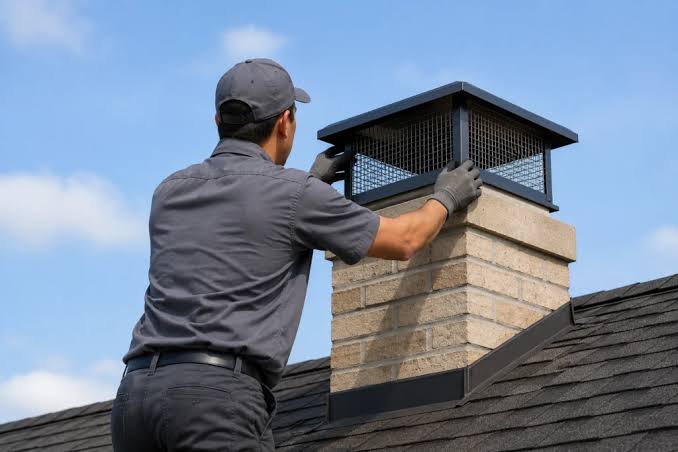
Review the relevant areas for activity patterns, access routes, and contributing conditions.
Discuss what the property is showing in straightforward, useful language.
Connect the findings to a focused next step that respects the property.
The service experience
Each step should make the property and the available next action easier to understand.
Share what you have seen, heard, or noticed and where it is happening.
Look more closely at the relevant interior, exterior, roofline, or perimeter conditions.
Discuss the observations and the practical service path that fits the situation.
Complete the agreed work and review any conditions worth monitoring.
Details in the field
Chimney transitions, vents, rooflines, and solar edges can all influence how activity reaches a structure. Field details help turn a general concern into a more specific conversation.


Common questions
Note the location, timing, sounds, sightings, or visible changes you have observed. Recent changes around the property can also be useful context.
No. A clear description of the activity and where it is happening is enough to begin the conversation.
It begins with your observations, followed by a focused review of the relevant conditions and a clear discussion of the available next steps.
Continue with the path that fits
